Three-Alarm Fire in West End Leaves One Injured
A late-night blaze in Toronto’s West End has resulted in one individual being hospitalized due to smoke inhalation. The fire erupted around 9:00 p.m. on a residential property located near the intersection of Stafford and King Street, just east of Stron. This fire, categorized as a three-alarm incident, showcased the challenges faced by emergency responders and the swift action of residents.
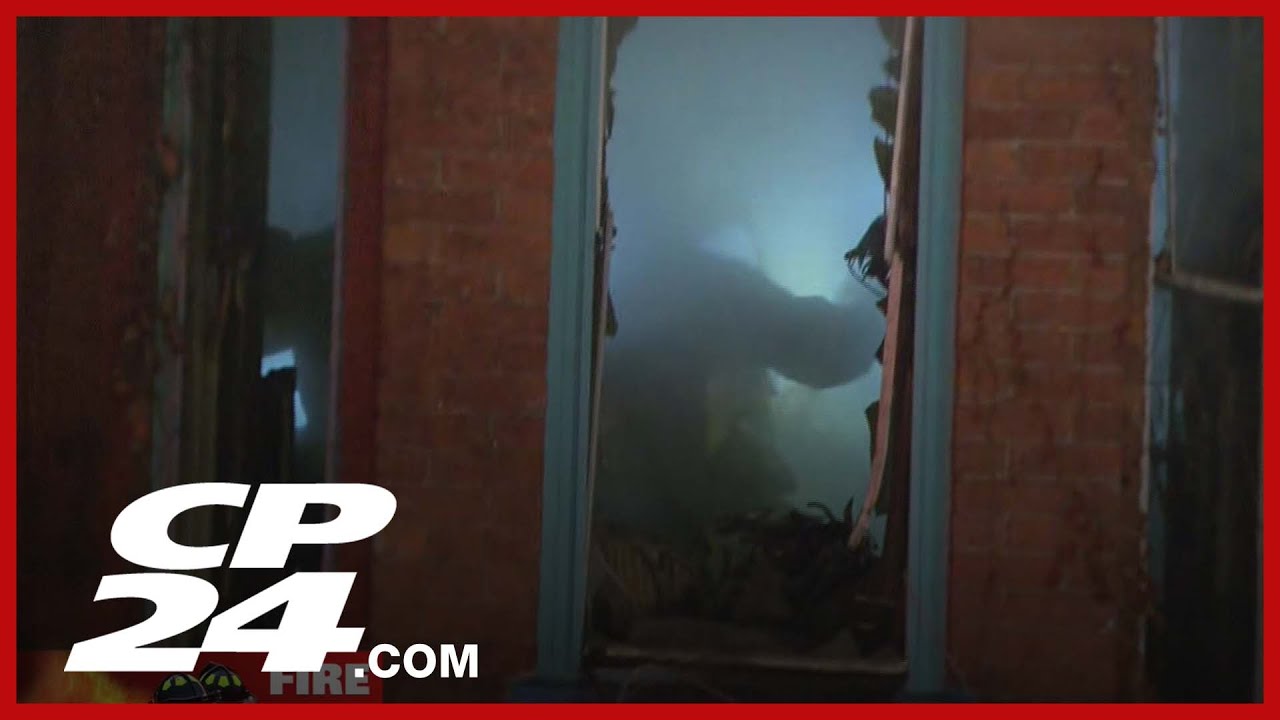
Upon arrival within six minutes of the alarm, Toronto Fire Services found heavy flames and thick smoke billowing from the property at 41 Stafford. The fire initially started in the backyard but quickly spread to an adjacent home, exacerbating the emergency situation. The rapid growth of the flames necessitated an immediate elevation of the situation, first to a second alarm and then to a third, bringing in additional resources to combat the dangerous conditions created by the fast-spreading fire.
Firefighters faced several hurdles while battling the blaze. One significant obstacle was a frozen fire hydrant, which hampered their ability to access adequate water supply quickly. Despite these complications, the focused efforts of the firefighting crews proved effective in minimizing further damage and containing the fire.
The safety of the residents was a primary concern. Fortunately, all occupants of the homes affected managed to evacuate without further injury. However, one individual required medical attention and was transported to a local hospital for treatment. Smoke inhalation remains a serious concern in such incidents, highlighting the potential risks involved even in seemingly controllable residential fires.
As investigations into the cause of the fire are currently underway, the focus remains on understanding the circumstances that led to the blaze. Such inquiries are crucial not just for accountability, but also for the improvement of safety protocols, community awareness, and firefighting techniques.
Residents in the area expressed their gratitude for the quick response from emergency services. Despite the damage sustained by the structures involved, the effectiveness and coordination of the response teams helped to prevent a more catastrophic outcome. This incident serves as a reminder of the unpredictability of fire hazards and the importance of readiness and awareness among community members.
In the aftermath of the fire, community support systems have rallied to assist those affected. Local organizations are coming forward to provide resources and shelter for displaced residents, ensuring that they have the support needed during this difficult time. The bonds within the community seem stronger, highlighting resilience in the face of adversity.
The incident underscores several key points about fire safety. Residents are reminded of the importance of having smoke detectors installed and functioning within their homes, as well as the need for regular checks of fire safety equipment, including hydrants. These measures can be life-saving, especially in emergencies that escalate quickly.
As more details emerge regarding the investigation, local authorities will likely disseminate further guidance aimed at preventing similar incidents in the future. Engaging the community in discussions around fire safety and preparedness can foster a culture of awareness and proactive prevention, ultimately saving lives and properties in the long run.
In conclusion, the three-alarm fire in Toronto’s West End serves as a poignant reminder of the unpredictability and potential dangers posed by residential fires. The swift action of Toronto Fire, coupled with community solidarity, played a pivotal role in managing a challenging situation and minimizing damage. As investigations continue, the lessons learned from this incident may be instrumental in improving safety measures and reducing risks for the future.